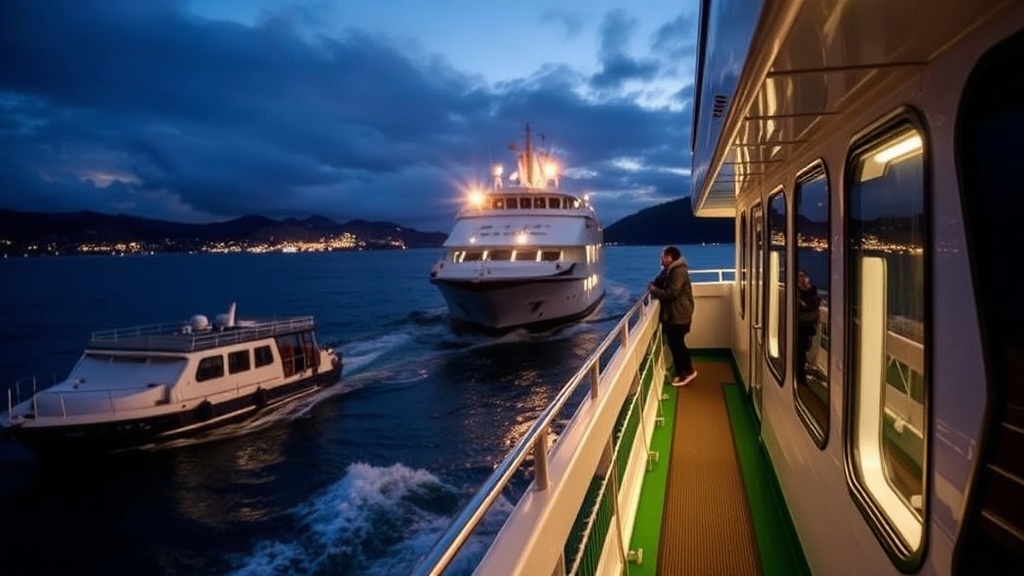
Navigating Coastal Slow Travel via Local Ferry Networks

A salty mist clings to the deck of a weathered ferry as it pulls away from a concrete pier, leaving the mainland behind. The rhythmic thrum of the engine vibrates through the soles of your boots, and for the first time in weeks, the frantic pace of the city feels truly distant. This is the essence of coastal slow travel—using local ferry networks as a deliberate way to move through the world rather than just a means to get from A to B.
Relying on ferry schedules allows you to reach remote islands, coastal villages, and rugged coastlines that larger cruise ships or commercial flights simply bypass. It’s a method of travel that prioritizes connection over speed. You aren't just passing through a region; you are living within its natural rhythm.
How Do I Plan a Ferry-Based Itinerary?
Plan your itinerary by mapping out your primary destinations first, then layering in the ferry routes that connect them. Most travelers make the mistake of picking a destination and then looking for transport, but with water-based travel, you have to work backward from the boat schedule. If the ferry only runs three times a day, your entire day is built around those specific windows.
Start by identifying your "anchor" locations—the islands or coastal towns where you'll spend a night or two. Once those are set, look for the official transit authority website for that specific region. For example, if you're heading to the San Juan Islands, you’ll want to check the Washington State Ferries site for real-time updates and seasonal schedules. If you're looking at the Mediterranean, the rules change entirely based on the country.
Don't forget to account for "buffer time." A single storm or a mechanical delay can throw a whole afternoon off. I always suggest booking your accommodation near the ferry terminal or the arrival dock to minimize the stress of a late arrival. It's better to be slightly early and grab a coffee at a local bakery than to be racing against a departing vessel.
Consider these three tiers of ferry travel:
- Commuter Ferries: Short, frequent, and often included in local transit passes. Great for day trips.
- Vehicle Ferries: Longer routes designed to move cars and heavy freight. These are your best bet if you're bringing a rental car or a bike.
- Passenger-Only Ferries: Faster, smaller, and much more agile. These often reach the tiny, car-free islands that feel truly isolated.
What Are the Best Ways to Carry Gear on Ferries?
Pack light, durable-luggage and use a waterproof backpack or a rugged duffel to protect your belongings from sea spray and humidity. While many large vehicle ferries have ample room, passenger-only boats can be quite cramped, making heavy suitcases a liability.
If you're traveling via a smaller vessel, you'll likely be carrying your gear through narrow gangways or even up steep stairs. This is where a high-quality bag makes a difference. I personally swear by the Osprey Farpoint series for these types of trips because it transitions easily from a hiking pack to a carry-on. Also, keep your electronics safe; even if you aren't on a direct line through a storm, moisture is a constant factor in coastal environments.
One tip I learned the hard way: always carry a portable power bank for long transit days. Ferry terminals are often in rural areas where finding a functional outlet is a struggle, and your phone is your lifeline for checking updated schedules or GPS once you dock.
| Gear Type | Best For | Pro Tip |
|---|---|---|
| Hard-shell Suitcase | Vehicle Ferries | Ensure it fits in the car trunk easily. |
| Soft-sided Duffel | Passenger Ferries | Easier to stow in tight overhead bins. |
| Waterproof Backpack | Island Hopping | Protects gear from unexpected sea spray. |
How Much Does Ferry Travel Cost?
Ferry costs vary wildly depending on whether you are a foot passenger or bringing a vehicle, but you should budget between $10 and $100 per crossing for most regional routes. A foot passenger ticket is significantly cheaper and often allows for much more flexibility in how you move through the terminal.
If you're driving, the price is usually tied to the length of your vehicle. A small sedan will cost far less than a large SUV or a camper van. It's worth noting that some local transit systems offer much lower rates for residents or students, but as a traveler, you'll almost always pay the standard visitor rate. Always check if there is a "day pass" option if you plan on hopping on and off multiple boats in a single day—it can save you a significant amount of money.
The real cost, however, isn't just the ticket. It's the time. A ferry-based trip might take four hours to cover a distance a car could do in one. You aren't just paying for the ride; you're paying for the experience of the transit itself. If you're looking for a more structured way to explore, you might find that exploring remote villages by local train offers a similar sense of rhythm, but the ferry adds a layer of maritime isolation that is hard to replicate.
Is It Better to Bring a Car or Go Foot Passenger?
Deciding between a vehicle and walking depends entirely on your destination's infrastructure and your desired level of freedom. If your destination is a large island with a developed road network, bring the car. If you're heading to a tiny, car-free islet, go as a foot passenger.
Bringing a car offers incredible autonomy. You can reach the hidden coves and the remote hiking trails that aren't served by local bus lines. However, the logistics are more intense. You often have to book your vehicle reservation weeks in advance, and you're at the mercy of the weather and the tide. If the wind picks up, the ferry might be canceled, leaving your car stranded on the wrong side of the water.
On the flip side, traveling as a foot passenger is much more liberating. You can walk onto the boat with just a backpack, find a seat on the deck, and watch the coastline recede. You aren't tied to a vehicle, which means you can explore the destination via bicycle or on foot. This is the true way to experience the "slow" part of slow travel—you're moving at the speed of the water, not the speed of an engine.
A few things to keep in mind for each:
- Vehicle Pros: Total freedom to explore; ability to carry heavy gear/supplies.
- Vehicle Cons: Expensive; requires advanced reservations; higher stress during delays.
- Foot Passenger Pros: Cheap; easy to board; allows for more spontaneous movement.
- Foot Passenger Cons: Limited by what you can carry; reliant on local transport at the destination.
The choice often comes down to the specific geography of your trip. If you're looking for a deep dive into a specific island's culture, a bike and a foot passenger ticket might be all you need. If you're attempting a multi-island circuit with heavy gear, the vehicle is a necessity.
When the ferry finally pulls into its destination, the transition is often seamless. The salt air has cleared your head, the rhythmic motion has calmed your nerves, and you're ready to step onto the dock. You aren't just arriving at a new location; you've earned the arrival by embracing the transit.