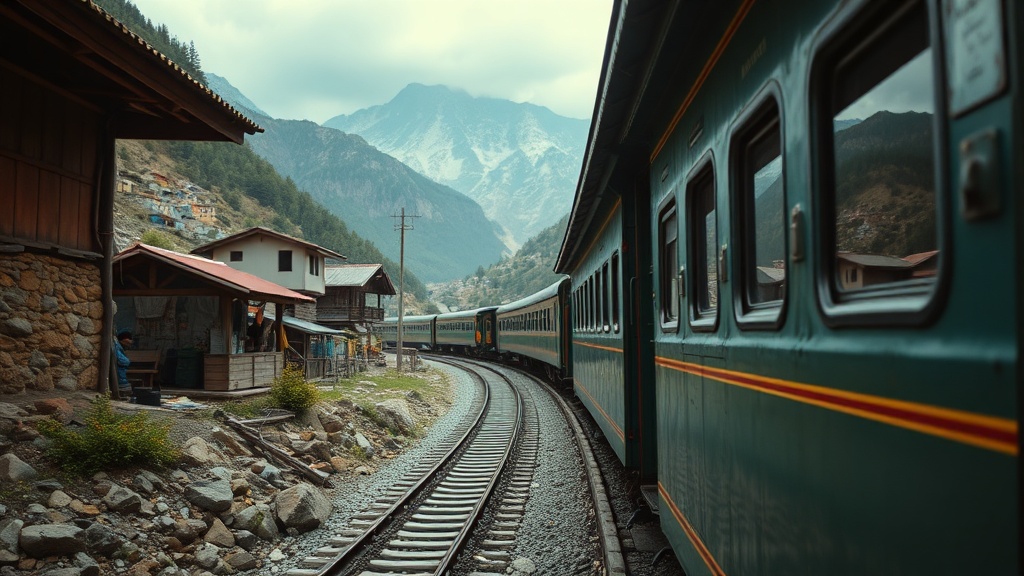
Exploring Remote Mountain Villages by Local Train

Less than 5% of the world's mountainous regions are currently accessible by high-speed rail, leaving many remote villages reachable only by rugged, unpredictable roads. This post breaks down how to plan a trip to these isolated pockets using local train networks, the specific gear you'll need for long transit days, and how to manage the logistical hurdles of off-grid travel. Relying on rail rather than rental cars isn't just cheaper—it's often the only way to reach certain high-altitude destinations without a professional driver.
Why Should You Travel by Local Train Instead of Car?
Traveling by local train offers a level of predictability and cultural immersion that rental cars simply cannot match. While driving through mountain passes can be nerve-wracking due to unpredictable weather, trains follow fixed tracks that are often more resilient to heavy snowfall or mudslides. You also get to see the terrain from a vantage point that isn't blocked by a windshield.
There are a few specific advantages to this method. First, it's significantly more budget-friendly. Second, you aren't responsible for navigating narrow, single-lane roads that might be too tight for a modern SUV. Most importantly, you actually get to see the scenery instead of staring at a GPS screen. (I've personally found that the rhythmic motion of a train is much better for clearing my head than the stress of mountain driving.)
If you're worried about staying connected, you should definitely carry a portable power bank for long transit days. Local trains in remote areas rarely offer USB ports, and your phone battery will drain quickly while you're using it to snap photos of the peaks.
Essential Gear for Remote Rail Travel
When you're heading into the mountains, your gear needs to be functional and durable. You aren't just a passenger; you're an explorer. I recommend focusing on three categories: mobility, comfort, and power.
- Footwear: Sturdy hiking boots like the Salomon Quest 4 GTX are a must. Even if you're just walking from the station to a guesthouse, the terrain is rarely level.
- Outerwear: A lightweight, waterproof shell—the Patagonia Torrent series works well—is vital because mountain weather changes in minutes.
- Organization: A small, durable backpack for your day trips.
How Much Does a Remote Train Trip Cost?
The cost of a remote train trip varies wildly depending on whether you are in the Alps, the Himalayas, or the Japanese Alps, but it is generally much lower than private transport. In many parts of Europe or Asia, a local regional pass can cost between $30 and $80 USD for a multi-day journey. You'll want to check the official Wikipedia page for the specific rail network in your destination to understand the difference between express and local lines.
Here is a quick comparison of typical travel expenses for a 3-day mountain excursion:
| Expense Category | Local Train Method | Private Driver/Taxi |
|---|---|---|
| Transportation | $50 - $100 | $250 - $500 |
| Flexibility | Fixed Schedules | On-Demand |
| Stress Level | Low (Sit and Relax) | High (Navigating Turns) |
| Scenic Views | Unobstructed | Partially Obstructed |
Keep in mind that while the train is cheaper, it requires much more precise timing. If you miss the 2:00 PM train, the next one might not arrive until 5:00 PM—or even the next day. This is where a strict itinerary becomes your best friend.
What Are the Best Ways to Pack for Mountain Villages?
The best way to pack is to prioritize lightweight, high-performance layers that can be worn in multiple ways. You want to avoid heavy, bulky items that will weigh you down during the walk from the train station to your lodging. Most mountain villages have narrow paths and steep stairs, so a massive suitcase is a bad idea.
I suggest following a strict layering system. This allows you to adjust to the temperature swings that happen between the sunny valley and the chilly mountain peaks. If you're worried about weight, you should master the art of light travel before you head out.
- Base Layer: Moisture-wicking merino wool (I love Smartwool) to keep sweat away from your skin.
- Mid Layer: A light fleece or a down vest for warmth during stationary periods.
- Outer Layer: A windproof and waterproof jacket to block the elements.
- Accessories: A warm hat and gloves, even in summer, because mountain evenings are cold.
One thing to note: don't overpack "just in case" items. If you need something, the local village shop will likely have the basics, though they won't have high-end technical gear. Stick to the essentials and keep your bag light.
The Logistics of Luggage in Remote Areas
One major drawback of local trains is the lack of luggage space. On regional lines, you might be sharing a small compartment with locals, their groceries, or even livestock in certain parts of the world. Large, hard-shell suitcases are difficult to lift into overhead racks and even harder to carry over cobblestone streets.
A soft-sided duffel or a high-quality backpack is much more practical. If you're traveling with a lot of gear, look for accommodations that offer luggage storage or "luggage forwarding" services. Many mountain regions have specific services that move your bags from one station to the next so you can travel light.
How Do I Find Reliable Train Schedules?
You should use official national railway apps or websites rather than third-party booking sites to find the most accurate, real-time information. Third-party sites often lag behind by several hours, which can be a disaster when you're standing on a platform in the rain. For example, if you're in Switzerland, the SBB Mobile app is the gold standard for accuracy.
Don't rely on printed schedules found in hotels. They are often outdated. Instead, look for digital displays at the station or use official apps. It's also a good idea to download offline versions of these maps or schedules. In remote valleys, cell service can be spotty at best—sometimes nonexistent. Having an offline PDF of your route can save you from a lot of frustration.
If you find yourself stuck in a village with limited services, don't panic. Most local station masters are incredibly helpful and speak basic English. They've seen every type of traveler and can usually point you toward the next available transport or a local place to grab a coffee.
One final tip: always carry a bit of local cash. While the big cities are almost entirely cashless, the small station kiosks and mountain cafes in remote villages often only accept local currency. It's a small detail, but it's the difference between a quick snack and a hungry afternoon.