Finding Hidden Gem Hot Springs in Rural Japan

A traveler arrives at a remote train station in the Tohoku region, only to find that the local bus service has already departed for the day. Without a rental car or a pre-booked taxi, they are stranded miles away from the ryokan they booked. This is the reality of rural Japan—it is stunning, but the logistics can be punishing if you don't plan for the lack of infrastructure. This guide covers the logistics of finding, reaching, and enjoying remote onsen (hot springs) in Japan's countryside, focusing on how to manage transport, etiquette, and seasonal accessibility.
How Do You Find Remote Onsen Locations?
You find remote onsen by searching for specific regional keywords on Japanese-language maps and specialized travel sites rather than relying solely on English-language tourism blogs. Most high-end hot springs are well-documented, but the true "hidden gems" are often listed only in Japanese. Using a tool like Google Maps with Japanese characters for "温泉" (onsen) or "秘湯" (hito—meaning "secret hot spring") will yield much better results than searching in English.
If you aren't comfortable with a translation tool, look for the "Hito" (秘湯) designation. These are the places that haven't been overrun by mass tourism yet. You'll find them tucked away in prefectures like Akita, Gunma, or the mountainous regions of Kyushu. It's a bit more work to find them, but the payoff is a bath without a crowd.
When looking for a place to stay, don't just look for "Hot Spring Hotel." Look for a Ryokan (traditional inn). These establishments often have the best private baths. If you're staying in a more rugged area, you might even find a Minshuku, which is a family-run bed and breakfast. These are often much cheaper and more authentic, though they come with fewer luxuries.
If you're planning to travel through these areas, you might want to read about exploring remote mountain villages by local train to understand how to time your movements correctly. The trains in rural Japan don't run every twenty minutes; sometimes they run once an hour, or once every few hours.
What Are the Best Types of Hot Springs to Visit?
The best type of hot spring depends on whether you want a social experience or a private, meditative soak. There is a massive difference between a public bathhouse and a private mountain spring.
Here is a breakdown of the common options you'll encounter:
| Type of Onsen | Experience Level | Best For... |
|---|---|---|
| Sento | Public/Social | Daily bathing in local towns; very affordable. |
| Rotenburo | Outdoor/Scenic | Soaking in nature; usually part of a larger resort. |
| Kashikiri | Private/Reserved | Couples or families wanting complete privacy. |
| Hito (Secret) | Rugged/Isolated | Serious enthusiasts seeking untouched nature. |
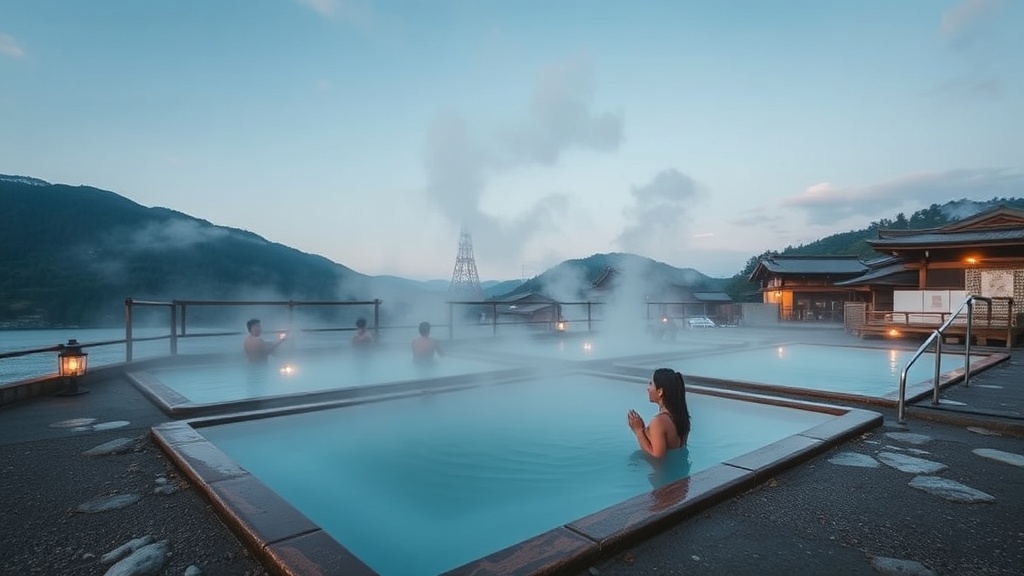
A Rotenburo is an outdoor bath, and it's often the reason people travel to the countryside in the first place. Imagine soaking in mineral-rich water while looking at a snow-covered forest or a mountain stream. It's a singular experience.
For those who are a bit more self-conscious (most of us are, to be honest), look for Kashikiri baths. These are private baths you can rent by the hour. You can find them at many mid-range ryokans. It's a great way to enjoy the water without the pressure of following strict public bathing rules in front of strangers.
How Much Does a Remote Onsen Trip Cost?
A remote onsen trip typically costs between $150 and $400 USD per person per night, depending on whether you are staying at a luxury ryokan or a simple mountain lodge. The price isn't just for the water; you are paying for the hospitality and the meal.
When you book a stay at a high-end ryokan, the price usually includes a multi-course Kaiseki dinner and a traditional breakfast. This can make the nightly rate look high, but when you factor in that you're getting world-class dining and access to premium hot springs, it's a solid value.
If you're on a budget, you can do "day-use" trips. Many onsen facilities allow you to walk in, bathe, and leave for a small fee—usually between 500 and 1,500 yen ($3 to $10 USD). This is a great way to test the waters before committing to a full night's stay. Just keep in mind that many of these remote locations won't have a shop nearby to buy snacks or drinks afterward. You'll need to carry your essentials with you.
Since you'll likely be moving between small villages and mountain-side lodges, I highly recommend carrying a portable power bank. You don't want your phone dying while you're trying to check a bus schedule in a place with zero cell service.
What Should You Pack for a Rural Onsen Trip?
You should pack light, breathable clothing and a sturdy pair of walking shoes, but the most important thing is your grooming kit. While most onsen provide basic soap, they won't always have the high-end skincare you might want.
- Slip-on Shoes: You'll be taking your shoes off constantly. A pair of easy slip-ons or high-quality sandals is a must.
- Small Towel: While many places provide them, having your own small, quick-dry towel is a pro move.
- Moisturizer: The mineral water can be drying. Bring a heavy-duty moisturizer for after your soak.
- Minimalist Toiletries: Don't bring a whole suitcase of products. A small pouch with the essentials is enough.
If you are traveling during the winter, the logistics change significantly. The mountain roads can be treacherous, and many remote areas become inaccessible if there is heavy snowfall. Always check the weather and road conditions via the Japan Road Traffic Information Center before heading out.
One thing to remember: many remote onsens have a strict "no tattoo" policy. If you have ink, you might be denied entry at a public facility. If that's the case, look specifically for Kashikiri (private) baths or ryokans that are tattoo-friendly. It's better to know this before you spend three hours on a bus.
The true magic of these places isn't in the luxury of the amenities. It's in the silence of the mountains and the warmth of the water. It's a way to disconnect from the digital noise and actually feel the weight of the world lift off your shoulders. Just be sure to respect the local customs—it's the difference between being a welcomed guest and a disruptive tourist.
Steps
- 1
Research local prefectures known for natural springs
- 2
Check for public vs. private bath availability
- 3
Verify seasonal accessibility and weather requirements