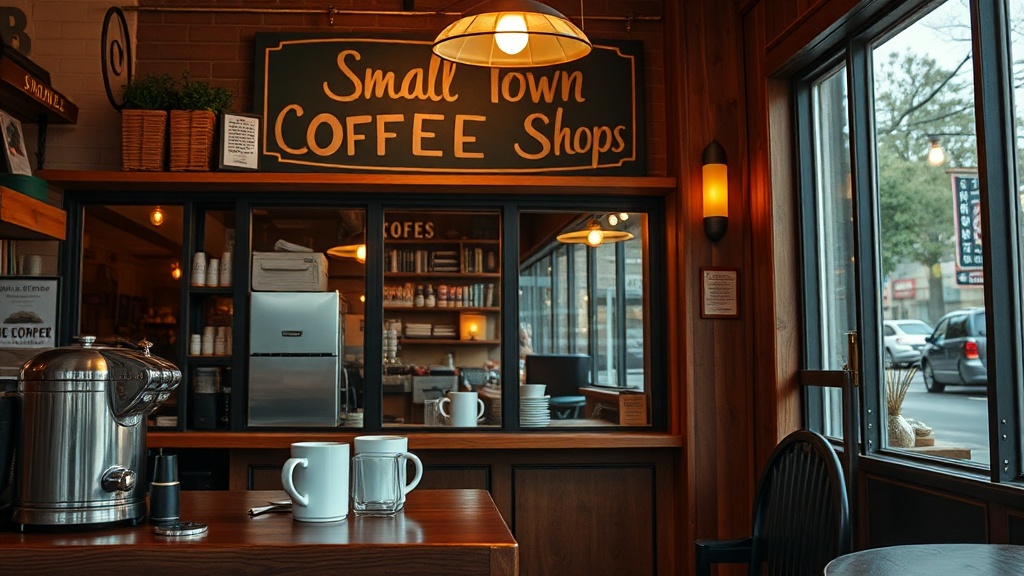
Small Town Coffee Shops with Big Personalities

The Historic Main Street Roastery
The Seaside Seaside Brew House
The Mountain Village Espresso Bar
Are you tired of the same predictable, cookie-cutter coffee chains that pop up on every street corner? This post highlights the best small-town coffee shops that offer more than just a caffeine fix—they offer a sense of place. We're looking at local gems where the baristas know the town's history and the beans are often roasted just down the road. If you're planning a weekend road trip and want to avoid the generic, these are the spots worth the detour.
Where Can I Find the Best Small Town Coffee?
The best small-town coffee is usually found in towns with a population under 10,000, often tucked away in historic downtown districts or near natural landmarks. You won't find these in a shopping mall. Instead, look for shops located near local hiking trails or within walking distance of a regional museum. These locations often serve as the social hub for the community.
When I'm scouting for a new weekend destination, I don't just look at Yelp. I look at where the locals actually hang out. If a shop has a chalkboard sign with a hand-drawn joke or a slightly mismatched collection of vintage chairs, you've found a winner. It’s about the vibe as much as the brew.
I've noticed that the most memorable stops are often the ones that don't have a massive social media presence. They rely on word of mouth and the quality of their roast. It’s a different kind of experience than a Starbucks—it's much more intentional.
The Coffee Shop Enthusiast's Checklist
Before you head out, keep these three things in mind to ensure you're getting the real deal. It's easy to mistake a "trendy" shop for a "true" small-town gem.
- Local Sourcing: Does the shop use beans from a regional roaster or a national distributor?
- Community Integration: Is there a local art gallery or a community bulletin board nearby?
- Menu Uniqueness: Do they offer a signature drink that you can't find anywhere else?
One thing to watch out for: some "boutique" shops are actually just high-priced chains in disguise. If the menu looks identical to a place in the city, keep driving. You want the weird stuff—the lavender honey latte or the maple stout coffee.
What Should I Pack for a Coffee-Focused Road Trip?
You should pack a reusable insulated tumbler, a portable power bank, and a notebook for sketching or journaling. While you're mostly sitting in cafes, having the right gear makes the transition from the car to the shop seamless.
I always bring my Patagonia Nano Puff when I'm traveling through cooler, mountainous regions because these coffee shops often have drafty doors or older heating systems. Even if it's a warm day, the AC in a small-town shop can be aggressive. Also, don't forget a high-quality notebook. There's something about sitting in a quiet corner of a mountain town with a fresh cup of coffee that makes you want to write. It's much more productive than staring at a laptop screen in a crowded coworking space.
If you're heading into more rugged territory, you might want to pack a lightweight carry-on to keep your essentials organized. It keeps your trip from feeling cluttered. A cluttered bag usually leads to a cluttered mind, and we want the opposite of that during a getaway.
| Coffee Type | Best Vibe For... | Recommended Pairing |
|---|---|---|
| Pour Over | Slow mornings and reading | Homemade sourdough toast |
| Espresso | Quick stops and high energy | Local pastry or muffin |
| Cold Brew | Summer road trips | A light seasonal fruit tart |
How Much Does a Coffee Outing Cost in Small Towns?
Expect to pay between $4.00 and $7.00 for a specialty beverage in most small-town settings. Prices are generally lower than in major metropolitan areas, though high-end specialty roasts may push the price higher. Most small-town shops are very accommodating to cash-only situations, so bring a few bills.
Here's the thing: many of these shops are small family-run businesses. While a $6 latte might seem steep if you're used to budget options, you're often paying for the craft and the local economy. I always try to tip a bit more at these places. They aren't part of a massive corporation; they're often the lifeblood of that specific street.
That said, if you're on a tight budget, don't let the "specialty" labels scare you. Most of these shops have a solid drip coffee option that's incredibly affordable. It's a great way to stay caffeinated without blowing your daily budget. I often use this strategy when I'm trying to plan a spontaneous weekend getaway without breaking the bank.
The "Personality" Scale
I categorize coffee shops into three distinct personality types. Knowing which one you're walking into helps set your expectations for the morning.
- The Cozy Cabin: Think flannel shirts, heavy wooden tables, and the smell of cinnamon. These are perfect for rainy or snowy days.
- The Mid-Century Modern: Very clean, very minimalist, and slightly more "refined." These often have the best espresso-based drinks.
- The Quirky General Store: You might buy your coffee, a bag of locally made jerky, and a hand-poured candle all in one go. These are the most unpredictable (and usually my favorite).
The quirky general store type is a gamble. Sometimes the coffee is just "okay," but the atmosphere is unbeatable. I've found that the best stories come from the shops that don't look like much from the outside. A tiny, weathered storefront can hide a world-class espresso machine.
It's worth noting that these shops often have limited hours. If a shop says they close at 2:00 PM, believe them. Don't show up at 2:15 PM expecting a latte. Most of these places are run by people who actually want to go home and enjoy their afternoon, not by corporate managers watching a clock. It's part of the charm, really.
If you find yourself in a town with only one or two options, do a quick check on coffee culture-related terms or local forums to see if there are any specific roasters they specialize in. It can make a massive difference in your experience. A shop that takes pride in their specific bean origin is usually a step above the rest.
When you're traveling, these stops become more than just a caffeine hit. They become the landmarks of your trip. I'll often remember a specific Tuesday in a small town in the Rockies more vividly than I'll remember the actual scenery, simply because of the conversation I had with a barista over a perfect flat white. It's those small, human moments that make travel feel real.