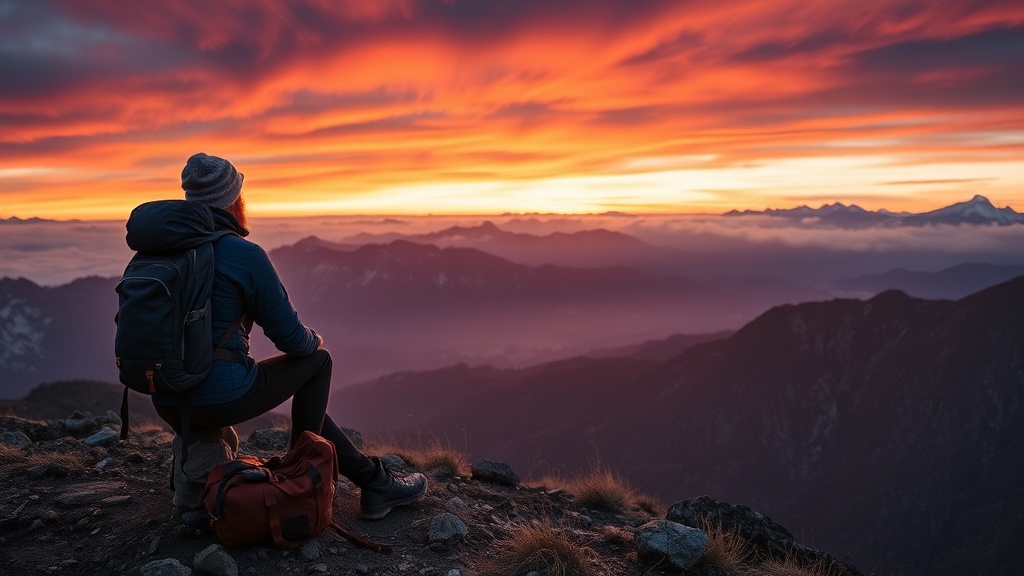
Pack a Lightweight Carry-On for a Three-Day Trek

Are you tired of wrestling with a heavy backpack or paying extra baggage fees just for a quick three-day trip? This guide breaks down exactly how to pack a lightweight carry-on that fits all your gear for a short trek without the bulk. We'll look at the specific clothing layers, gear weight, and packing techniques that keep your bag light and your movement free.
What are the best clothes for a three-day trek?
The best clothes for a three-day trek are high-performance, moisture-wicking layers that can be worn in multiple combinations. You want to avoid heavy cotton at all costs—it stays wet and gets heavy when you sweat. Instead, focus on technical fabrics that dry quickly and can be layered to manage temperature changes.
For a three-day trip, you don't need a dozen outfits. You need a system. A solid base layer is your first line of defense. I always recommend a merino wool top, like something from Smartwool or Icebreaker. Merino is a bit more expensive, but it's a lifesaver because it resists odors. You can wear it two days in a row without it smelling like a locker room (a huge plus when you're living out of a single bag).
Middle layers should be versatile. A lightweight fleece or a technical mid-layer provides warmth without the weight of a heavy sweater. If the weather turns cold, a down jacket is your best friend. The Patagonia Nano Puff is a classic for a reason—it packs down into a tiny pouch and provides high warmth-to-weight ratios. It's much easier to manage than a bulky puffer jacket.
Your outer shell is your shield. A lightweight, breathable rain jacket is non-negotiable. It isn't just for rain; it acts as a windbreaker too. Check the technical specifications of hardshell jackets to understand the difference between waterproof and water-resistant. You really want something that can handle a sudden downpour without making you feel like you're wearing a plastic bag.
The Three-Day Clothing Checklist:
- 2 Moisture-wicking t-shirts (Merino wool is best)
- 1 Mid-layer (Fleece or light down jacket)
- 1 Waterproof shell jacket
- 1 Pair of hiking trousers (Quick-dry)
- 3 Sets of moisture-wicking underwear
- 3 Pairs of wool hiking socks (Don't skimp on these!)
- 1 Pair of lightweight trail shoes
How much weight should a carry-on backpack weigh?
A lightweight carry-on for a three-day trek should ideally weigh between 5 and 8 pounds (2.2 to 3.6 kg) before you even add your gear. Keeping the base weight low ensures that you aren't exhausted by the time you reach your destination or the end of a trail. If your bag is already heavy before you pack it, you're setting yourself up for a long, sore afternoon.
Weight is a game of trade-offs. You might think you need a "just in case" item for every possible scenario, but that's how you end up with a 30-pound bag. I've learned the hard way that a heavy bag is the fastest way to ruin a weekend. If you aren't sure if you need it, leave it at home.
Here is a quick comparison of common gear weight categories to help you visualize your pack's density:
| Gear Category | Heavy/Standard Gear | Lightweight/Pro Gear |
|---|---|---|
| Footwear | Leather Hiking Boots | Trail Runners |
| Outerwear | Heavy Canvas Jacket | Lightweight Shell |
| Sleep Gear | Standard Cotton Pillow | Inflatable Travel Pillow |
| Hydration | Large 2L Rigid Bottle | Collapsible Water Bladder |
When choosing your bag, look for a pack with a streamlined profile. A 25L to 30L backpack is usually the "sweet spot" for a three-day trip. It's large enough to hold your essentials but small enough to fit under an airplane seat or in an overhead bin without hassle.
Worth noting: even if you're a seasoned traveler, always check the TSA guidelines for liquids and electronics if you're flying with your pack. You don't want to be the person digging through your bag at the security checkpoint because your toiletry kit is a mess.
Can you pack effectively using compression bags?
Yes, compression bags are one of the most effective ways to maximize space and reduce volume in a small carry-on. They work by squeezing out the excess air from your clothing, allowing you to fit much more into a smaller footprint. This is especially helpful for bulky items like socks or a lightweight puffer jacket.
However, don't rely solely on them for everything. Compression bags are great for volume, but they don't actually reduce the weight. If you pack five heavy shirts and compress them, your bag is still heavy—it just looks smaller. Use them for your "soft" items like clothing and extra socks.
I prefer using a combination of two methods:
- Packing Cubes: These are perfect for organizing your bag. You can have one cube for tops, one for bottoms, and one for underwear. It keeps your bag organized so you aren't dumping everything out to find one single pair of socks.
- Compression Sacks: Use these specifically for your sleeping bag or your heavy jacket. These actually reduce the physical size of the item significantly.
The way you fold your clothes matters too. The "Ranger Roll" technique is a popular method for keeping clothes compact and wrinkle-free. By rolling clothes into tight cylinders rather than folding them into flat squares, you eliminate much of the dead space in your bag. It’s a small habit, but it makes a massive difference when you're working with a limited 25L pack.
If you're planning a trip that involves more rugged terrain or perhaps a bit more gear, you might want to check out my post on planning a spontaneous weekend getaway. It covers the mindset of being ready for anything without over-preparing.
One final tip: always pack your heaviest items at the center of the bag, close to your spine. This keeps the center of gravity stable and prevents the bag from pulling you backward. A well-balanced pack feels much lighter than an unbalanced one, even if the weight is identical.
Don't forget to check your electronics. If you're bringing a power bank or cables, keep them in a dedicated small pouch. There's nothing more frustrating than digging through a pile of clothes to find a charging cable at the end of a long day. A little organization goes a long way in making your short-term trek feel professional and stress-free.