Why You Should Skip the Big Cities for the Japanese Alps

The quiet magic of the Japanese Alps
Imagine standing on a wooden balcony in Takayama, watching the morning mist roll off the Hida Mountains while the scent of woodsmoke hangs in the crisp air. There are no neon signs blinking in your eyes, no subway announcements blaring through a loudspeaker, and no massive crowds pushing past you to reach a train station. Instead, there is just the sound of a nearby river and the distant chime of a temple bell. While most travelers flock to the bright lights of Tokyo or the crowded temples of Kyoto, a different kind of experience waits in the high altitudes of the Japanese Alps. This region offers a slower pace, a connection to old-world traditions, and a landscape that changes dramatically with every season.
The Japanese Alps aren't just one single peak; they're a series of mountain ranges that divide central Japan. This area is home to some of the most culturally rich towns and breathtaking scenery in the country. If you want to see how way of life has remained unchanged for centuries, this is where you need to go. Whether it's the preserved streets of Kanazawa or the thatched-roof houses of Shirakawa-go, the focus here is on heritage and nature rather than the fast-paced consumerism found in the megalopolises. It's a place where you can actually hear your own thoughts.
Is Takayama worth the trip?
Takayama is often the starting point for anyone exploring this region, and for good reason. It's a town that feels remarkably preserved. Walking through the Sanmachi Suji district feels like stepping back into the Edo period. You'll see dark wood buildings, traditional sake breweries, and small shops selling local crafts. It isn't just a museum; people actually live and work here. You can spend an entire afternoon just wandering the narrow alleys without any pressure to reach a specific destination.
One of the best things to do in Takayama is to visit the morning markets. The Miyagawa Morning Market is a local favorite where farmers and artisans sell everything from fresh vegetables to hand-carved wooden trinkets. It's a great way to see how locals interact with their food and culture. If you're looking for a specific type of food, keep an eye out for Hida beef. It's incredibly high quality—almost as famous as Kobe beef—and you can find it served in everything from grilled skewers to high-end sushi. For more details on regional food specialties, the Japan Guide website offers excellent deep dives into local delicacies.
How do I get around the Japanese Alps?
Transportation in the mountains can feel a bit more intimidating than the seamless subway systems of Tokyo, but it's actually quite manageable if you plan ahead. The most common way to move between major hubs like Takayama, Kanazawa, and Matsumoto is via the JR Limited Express trains or local bus networks. Most travelers find that the bus system is actually one of the best ways to reach the more remote valleys. Companies like Willer Express offer comfortable, reliable-bus routes that connect the major mountain towns.
- The JR Pass: If you're doing a wider loop through Japan, the rail pass can save you a lot of money on the express trains.
- Local Buses: For reaching places like Shirakawa-go, buses are often the only way to go. Be sure to book your seats in advance, especially during peak foliage or ski seasons.
- Walking: In towns like Takayama or Magome, the best way to explore is simply on foot. The distances are small, and the views are much better when you aren't staring through a window.
Don't expect a train every twenty minutes. In the mountains, schedules are more rigid. If you miss a bus or a train, the next one might not arrive for an hour or even two. This is part of the charm, really—it forces you to slow down and actually enjoy the scenery while you wait. It's a reminder that the world doesn't always run on a millisecond-perfect clock.
What are the best seasons to visit?
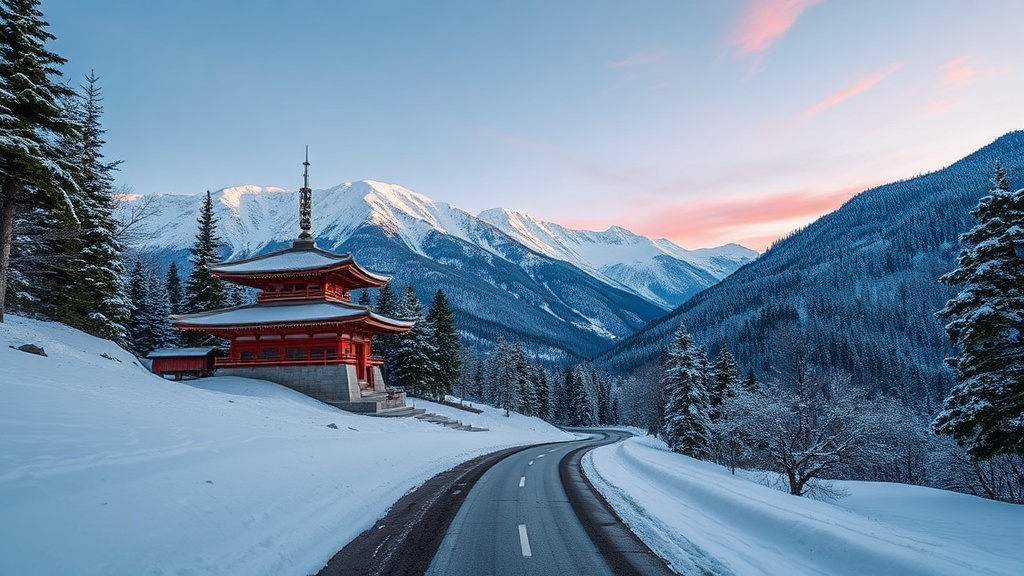
The beauty of the Japanese Alps is that it looks completely different every three months. If you love snow, winter is undeniably spectacular. The mountains become a white wonderland, and towns like Shirakawa-go look like something out of a storybook with their heavy snow-laden thatched roofs. It's a photographer's dream, though you'll need to pack much warmer layers than you might expect. The cold in the mountains is much more biting than in the coastal cities.
Spring brings the cherry blossoms, but in the mountains, they might arrive a bit later than in Tokyo. This means you might avoid the massive crowds that hit the cities during Sakura season. Autumn is arguably the most beautiful time for many. The changing colors of the maple and ginkgo trees turn the mountainsides into a sea of red, orange, and gold. It's a perfect time for hiking, as the air is crisp and the temperature is just right for being outdoors all day.
| Season | Highlight | What to Pack |
|---|---|---|
| Spring | Cherry Blossoms & Greenery | Light layers, rain jacket |
| Summer | Hiking & Cool Breezes | Breathable clothing, sun protection |
| Autumn | Fall Foliage | Medium-weight jacket, hiking boots |
| Winter | Snowscapes & Onsen | Heavy thermal wear, waterproof gear |
Regardless of when you go, the mountains offer a sense of seasonality that is hard to find elsewhere. There's a deep respect for the changing seasons here, and you'll see it reflected in the local menus and the decorations in the inns (ryokans). It's not just a change in weather; it's a change in the very spirit of the place.
Can I experience traditional lodging here?
One of the highlights of visiting this region is staying in a ryokan or a minshuku. A ryokan is a traditional Japanese inn that offers much more than just a place to sleep. You'll likely be greeted with a warm tea, sleep on a comfortable futon laid out on tatami mats, and have access to an onsen (a natural hot spring bath). There is something deeply restorative about soaking in a hot spring while looking out at a snowy mountain range. It's an experience that stays with you long after you've returned home.
A minshuku is a more budget-friendly, family-run version of a traditional inn. It's often a more intimate experience where you might even eat dinner with the family that runs the house. These stays are incredibly grounding. They pull you out of the "tourist" mindset and into a sense of community. You aren't just a customer; you're a guest in their home. This is where the real magic happens—the small conversations, the homemade miso soup, and the feeling of being truly present in a different culture.
While these stays can be a bit more basic than a Western hotel, the level of hospitality (omotenashi) is unparalleled. Don't expect a high-tech room with a smart TV. Instead, expect a space designed for rest, peace, and connection to the natural world. It's a deliberate way to live that many of us have forgotten in our busy, digital-first lives.