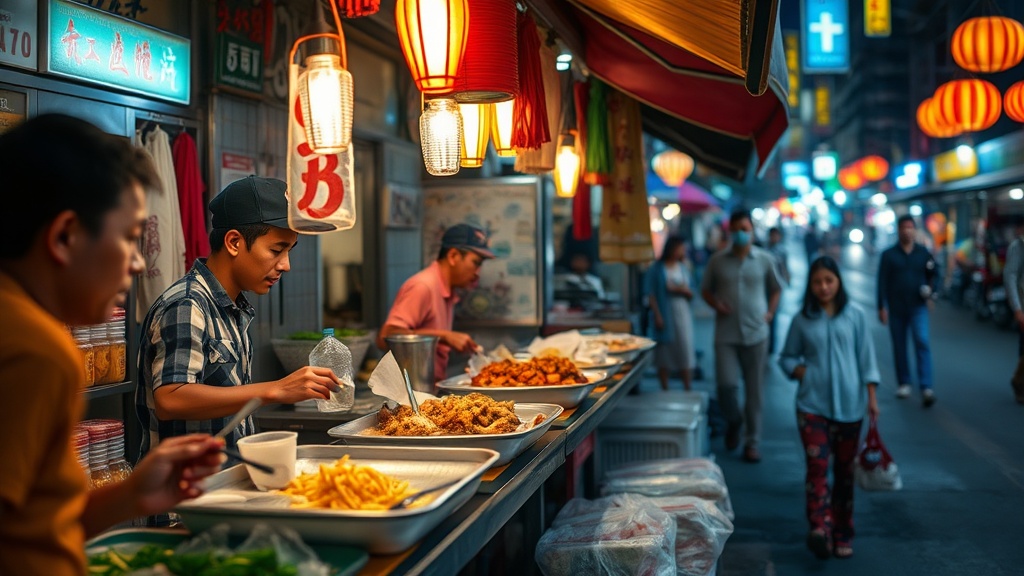
Where to Find the Best Street Food in Southeast Asia

The Scent of Lemongrass and Grilling Meat
You’re walking through a crowded alley in Bangkok or perhaps a bustling market in Hanoi. The air is heavy—thick with humidity and the irresistible smell of charred pork, spicy chilies, and sweet coconut. You don't have a reservation, you don't have a fancy menu, and you certainly don't have a tablecloth. All you have is a plastic stool, a small plate, and a few crumpled bills. This is the heart of Southeast Asian travel. Eating on the street isn't just a way to save a few dollars; it's the most direct way to understand the rhythm of a new city.
Many travelers hesitate when they see a stall with no English menu or a vendor working over a flame that looks slightly too close to their hands. But that hesitation is exactly what keeps you from the best meals of your life. Whether you are looking for a quick bite between temple tours or a full-on culinary adventure, the street food scene is where the real magic happens. In this post, I'm breaking down the best spots to find incredible flavors and how to handle the chaos without losing your cool.
Which cities offer the best street food experiences?
While much of Southeast Asia is a paradise for food lovers, certain cities stand out as heavy hitters. If you want variety, you can't go wrong with these hubs:
- Bangkok, Thailand: This is the undisputed heavyweight. From the spicy street noodles of Yaowarat (Chinatown) to the mango sticky rice found on almost every corner, Bangkok is a sensory overload in the best way.
- Hanoi, Vietnam: If you want something more subtle and aromatic, head to Hanoi. The city is famous for its Bún chả (grilled pork with noodles) and incredibly rich Egg Coffee. The food here is deeply traditional and often served on tiny sidewalks.
- George Town, Malaysia: This is a melting pot of Malay, Chinese, and Indian influences. You'll find everything from Laksa to Char Kway Teow. The diversity of spices here is quite frankly unmatched in the region.
- Penang, Malaysia: Often considered the food capital of Malaysia, George Town is a must-visit for anyone who wants to eat their way through a single weekend.
For more detailed information on regional food safety and what to expect, check out the CDC's travel health notices to ensure you're prepared for your trip.
How can you tell if a street food stall is safe?
This is the question I get asked most often by people planning their first trip to Asia. I won't lie to you—there is always a bit of a gamble. However, you can significantly increase your odds by looking for a few specific signs. First, look for high turnover. If a stall is busy with locals, that's a great sign. It means the ingredients are being used quickly and aren't sitting around in the heat. A high turnover usually indicates freshness.
Second, watch the cooking process. I always prefer stalls where the food is cooked right in front of me over a high flame. Heat is a natural disinfectant. If you see a vendor stir-frying noodles in a blazing hot wok, you can feel much better about what you're about to eat. Third, check the cleanliness of the setup. You don't need a stainless steel kitchen, but the vendor should be handling money and food with some level of care—ideally using utensils or gloves if they aren't cooking over heat.
What are the best things to eat for beginners?
If you're nervous about trying something new, start with the "safe" classics. These are dishes that are cooked thoroughly and have been staples for generations. Here is a quick list of beginner-friendly options:
| Dish Name | Region | What it is |
|---|---|---|
| Pad Thai | Thailand | Stir-fried rice noodles with egg, tofu, and tamarind. |
| Bánh Mì | Vietnam | A crispy baguette filled with savory meats and pickled veggies. |
| Satay | Malaysia/Indonesia | Skewered grilled meat served with a peanut sauce. |
| Pho | Vietnam | A comforting noodle soup with beef or chicken and fresh herbs. |
Each of these is relatively easy to digest and offers a perfect introduction to the flavor profiles of the region. If you want to dive deeper into the history of these dishes, the UNESCO World Heritage sites often provide cultural context that makes the food even more meaningful.
Don't be afraid to be a little adventurous, but remember to listen to your body. If you're traveling with a group, maybe suggest a "test run" at a vendor before committing to a full meal. Most of the time, the simplest things—a piece of grilled fruit or a simple noodle soup—are the ones you'll remember most vividly when you're back home in a quiet cafe in Calgary. The chaos of the street is part of the charm. Embrace the noise, the heat, and the unexpected flavors. It's all part of the adventure.