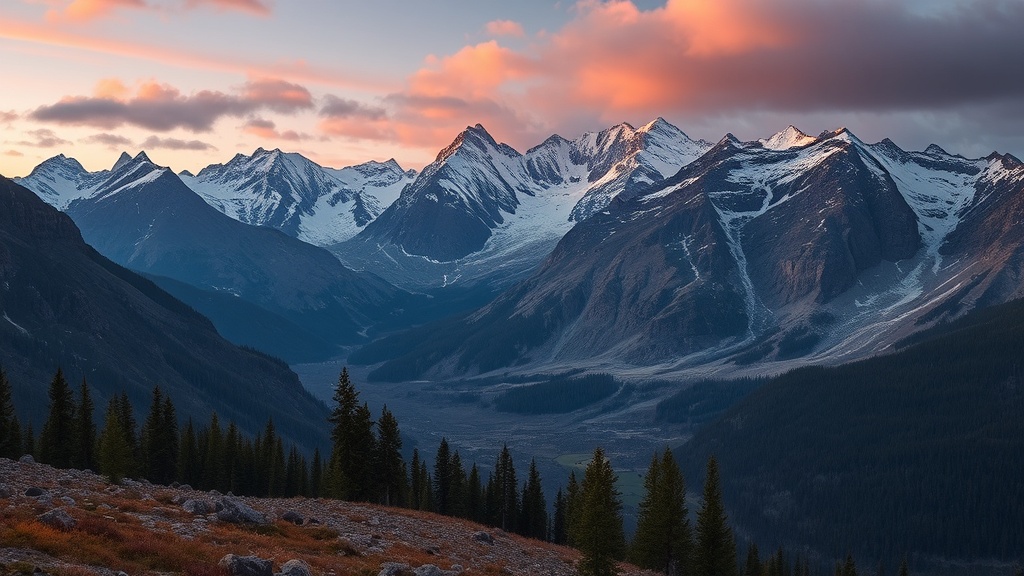
Where to Find Real Isolation in the Canadian Rockies

Are you tired of fighting for a parking spot at Lake Louise or dodging crowds on a hiking trail? Most people think visiting the Canadian Rockies means enduring heavy traffic and constant noise, but that isn't the case if you know where to look. This post focuses on finding those quiet, overlooked pockets of the mountains—places where the only sound you'll hear is the wind through the larch trees. We'll look at specific areas that offer seclusion without requiring a ten-day trek, focusing on how to time your visits and which side-roads actually lead to peace.
Finding solitude in a popular mountain range requires a shift in mindset. Instead of chasing the most famous landmarks, you have to look for the secondary routes and the areas that aren't quite as Instagram-famous. It's about choosing the slightly less convenient path to gain a sense of true wilderness. Whether you're looking for a quiet spot to read a book or a trail where you won't pass a dozen other hikers, there are specific strategies to ensure your weekend trip feels like a true escape.
Is it possible to avoid crowds in Banff and Jasper?
It’s possible, but you won't find it by staying in the town centers. If you want to avoid the bustle of Banff or Jasper, you need to head toward the periphery. For example, while the Icefields Parkway is iconic, the sheer volume of vehicles can be draining. Instead, look for smaller, provincial park-managed roads or forest service roads that offer access to more remote areas. One trick is to head east or west of the main highways. The areas surrounding the larger national parks often have beautiful, less-populated spots that don't require a heavy-duty vehicle to reach.
If you're looking for specific directions, the Parks Canada website provides excellent maps that show much more than just the main tourist attractions. You can use these to identify smaller trailheads that aren't highlighted in mainstream brochures. If you arrive at a trailhead before 8:00 AM, you'll often have the place to yourself for several hours. This early start is a small trade-off for the silence you'll eventually enjoy.
When is the best time for a quiet mountain getaway?
Timing is everything when it comes to escaping the masses. If you can swing a mid-week trip, you're already ahead of the game. Most weekend-warriors are strictly a Friday-to-Sunday phenomenon. However, even during the summer, there are windows of opportunity. Early autumn—specifically late September—is a dream for those seeking quiet. The crowds have thinned out, the weather is often still pleasant, and the larch trees turn a brilliant gold. It's a much more peaceful way to see the mountains than the peak July madness.
Avoid the mid-summer months if you can. Between July and August, the parks are at their most crowded, and even the smaller trails become packed. If you must travel during this time, consider the shoulder seasons. Spring is beautiful, but the trails can be muddy and the snow is unpredictable. Autumn remains the sweet spot for anyone who wants to experience the mountains without the feeling of being in a theme park. You can check current weather and seasonal conditions via Environment Canada to ensure your timing aligns with safe hiking conditions.
How do I find remote hiking trails near popular towns?
The secret is to look for the "secondary" trails. Most tourists stick to the paved paths and the most popular loops. If you look at trail maps, you'll see many more options that are slightly more difficult or less clearly marked. These are often the paths that lead to the best views without the crowds. A simple rule of thumb: if a trail is easy and highly accessible, expect people. If a trail requires a bit of a scramble or a longer walk from a parking area, you'll find far more solitude.
- Look for Forest Service Roads: These often lead to high-altitude viewpoints that are far removed from the main park entrances.
- Check Local Discussion Boards: Sometimes local hikers share much more nuanced advice than the big travel sites.
- Use Topographic Maps: Instead of just looking at photos, study the elevation. Higher, steeper terrain usually means fewer people.
Don't forget to bring your own supplies. When you move away from the main hubs, you won't find coffee shops or convenience stores every few miles. Being self-sufficient is a part of the adventure. Carrying enough water, high-energy snacks, and a physical map (don't rely solely on your phone's GPS in deep valleys) will make your trip much smoother. It's much better to be prepared for a quiet afternoon than to find yourself stuck because you ran out of supplies in a remote area.
Ultimately, the goal isn't just to see the mountains, but to feel them. There is a massive difference between looking at a mountain from a crowded viewpoint and sitting on a rock in a quiet valley where the only thing you hear is the movement of the air. By choosing the paths less traveled and being intentional with your timing, you can turn a standard mountain trip into something much more profound.