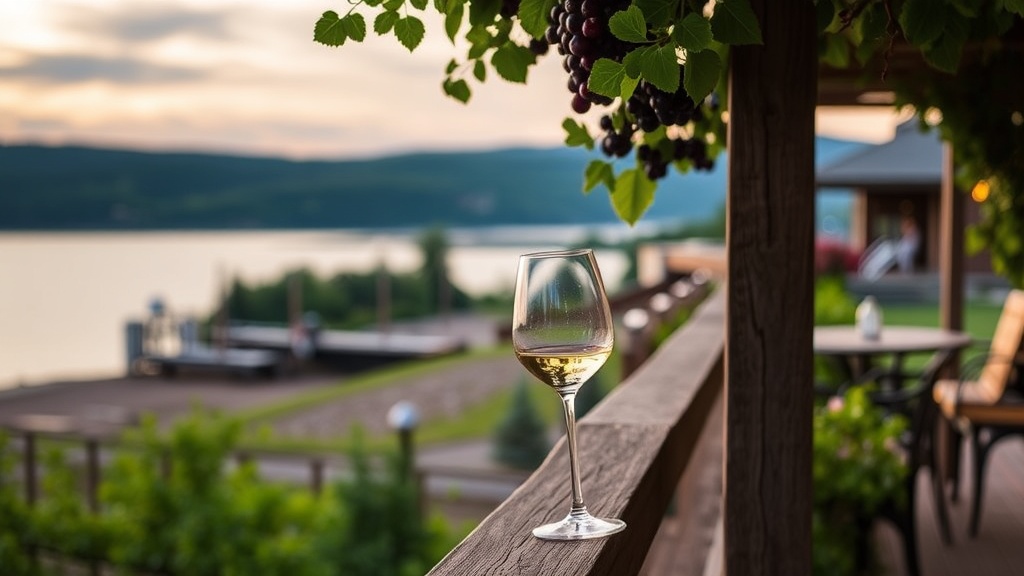
Niagara-on-the-Lake: The Perfect Weekend Wine Country Escape

What Makes Niagara-on-the-Lake Worth the Trip?
This post covers everything needed to plan a weekend escape to Ontario's premier wine region — from which wineries to book and where to stay, to the best restaurants and seasonal timing. If you're craving charming streets, world-class wine, and a break from big-city chaos without the price tag of Napa or Bordeaux, this is your playbook. The region sits just 20 minutes from Niagara Falls but feels worlds away — all vineyards, Victorian architecture, and small-town hospitality.
Where Should You Stay in Niagara-on-the-Lake?
The historic district offers the most walkable experience, with over two dozen inns and boutique hotels within a few blocks of Queen Street. The Prince of Wales Hotel dominates the main strip — it's grand, slightly stuffy, and absolutely iconic. Rooms run $350–$500 per night in peak season (May through October), but the location can't be beaten. You'll stumble out the front door straight into the heart of town.
For something quieter, Pillar and Post sits a few blocks west — converted from a 1890s canning factory, it's got exposed brick, a saltwater pool, and rates around $280–$400. The spa here is legitimately good, not just hotel-spa good. Here's the thing: if you're driving (and you will be, to reach the wineries), the location matters less. Some of the best values hide along the Niagara Parkway or toward Virgil.
Want recommendations? Check out the official Niagara-on-the-Lake accommodation guide for current availability and seasonal deals.
Which Wineries Should You Actually Visit?
Skip the crowded tour-bus stops. The best experiences come from smaller, appointment-only tastings where staff have time to explain terroir and technique. That said, you should still hit one or two big names — they're famous for good reason.
| Winery | Best Known For | Tasting Price | Booking Required? |
|---|---|---|---|
| Inniskillin | Icewine, Riesling | $25–$40 | Recommended |
| Stratus | Sustainable practices, Cabernet Franc | $35–$55 | Yes |
| Flat Rock Cellars | Pinot Noir, views | $20–$30 | No |
| Two Sisters | Merlot, food pairings | $40–$75 | Yes |
| Rockway Vineyards | Chardonnay, golf course setting | $18–$25 | No |
Start at Inniskillin — their icewine put Canadian wine on the global map. The tasting room feels corporate (it is), but the product is flawless. Budget 45 minutes. Then head to Stratus for the architectural experience alone — the LEED-certified facility looks like a modern art museum dropped into farmland. Their Cab Franc? Outstanding.
Flat Rock Cellars offers the best bang for your buck — $25 gets you a tasting plus that postcard view over Twenty Mile Creek. The catch? It's popular. Arrive before 11 AM or after 4 PM to avoid the crush. For something truly special, book the Two Sisters food pairing experience — five wines matched with small plates in their underground cellar. It's $75, runs 90 minutes, and sells out weeks ahead in summer.
The region spans three sub-appellations, each with distinct characteristics. The Niagara River bench produces structured reds with minerality. The lakeshore — closer to Lake Ontario — ripens Chardonnay and Riesling beautifully. Vineyards in the Four Mile Creek area sit on sandier soil, yielding softer, more approachable wines. Worth noting: most tasting rooms close by 6 PM, and many aren't open Monday or Tuesday in the off-season.
What's the Best Time to Visit?
September through mid-October hits the sweet spot — harvest season, fall colors, and still-warm days averaging 18°C. The grapevines turn golden and red. It's stunning. Hotel rates jump 30–40% during this window, and restaurants book solid Friday through Sunday. If you're flexible, Tuesday to Thursday visits offer better availability and quieter tasting rooms.
Spring (late April to June) brings fewer crowds and lower prices, though some wineries limit their offerings before the new vintage releases. Winter has its own charm — ice wine harvest happens in January, when temperatures drop to -8°C or colder. Peller Estates runs an ice wine lounge at -10°C where you taste their reserve icewine in parkas. It's touristy. It's also unforgettable.
Summer means packed streets, fully booked restaurants, and traffic crawling along the Niagara Parkway. That said, the outdoor patios are glorious, and the Shaw Festival theatre season runs full throttle. If you must visit July or August, book tastings and dinner reservations at least two weeks ahead. Trust me on this — showing up without bookings means eating gas station sandwiches in your car.
Where Should You Eat?
Niagara-on-the-Lake punches above its weight for food. The farm-to-table movement isn't marketing here — it's logistics. Chefs literally drive to farms each morning.
Stone Road Grille remains the toughest reservation in town despite being a 10-minute drive from the historic core. Chef David Watt's menu changes daily based on what local producers deliver. The duck confit — when it's on — is worth planning an entire trip around. Mains run $32–$48. Book 30 days out.
For something more casual, Treadwell Cuisine on Queen Street offers a shorter tasting menu ($65) that showcases regional ingredients without the formality. Their wine list focuses heavily on Niagara bottles, and staff can actually explain the differences between bench and lakeshore Pinots.
The pie at Ravine Vineyard isn't hyped — it's just perfect. Their restaurant sits on a working organic farm, and the vegetable-forward menu reflects whatever's ripe. Lunch here followed by a tasting makes an ideal afternoon. The wood-fired pizza at Backhouse (just off the main strip) delivers serious Neapolitan credentials at $18–$24. Share one, then order the sticky toffee pudding. You'll thank me later.
Worth noting: many wineries have restaurants attached, and some — like Trius Winery & Restaurant and Peller Estates — operate genuinely excellent kitchens. Trius runs a sparkling wine tour that ends with a three-course lunch. Peller's estate dining room serves a tasting menu ($95) that pairs each course with their portfolio. Both require reservations well in advance.
What Else Should You Do Besides Drink Wine?
The Shaw Festival runs April through December, presenting the works of George Bernard Shaw and contemporaries across three theatres. Productions range from classic dramas to musicals, and the quality rivals anything in Toronto at half the price. Even if you skip the shows, the festival theatre building — designed by E.J. Lennox — deserves a look.
Cycle the Niagara Parkway on rental bikes from Zoom Leisure ($35/day). The 55-kilometer wine route winds through vineyards with minimal traffic and maximum scenery. Most wineries offer secure bike parking and water bottle refills. That said, tasting and cycling requires planning — spit, hydrate, eat, and never attempt the full route in one day. The stretch between Niagara-on-the-Lake and St. Catharines offers the most winery access per kilometer.
Fort George National Historic Site brings War of 1812 history to life through summer reenactments. The restored military buildings and costumed interpreters offer a surprisingly engaging few hours — even for visitors who don't typically chase historical sites. Admission runs $12–$16.
The outlet malls in nearby Niagara Falls tempt many visitors. Here's the thing: skip them. You've got better shopping on Queen Street itself — independent boutiques, artisan food shops, and The Scottish Loft (yes, really, and it's excellent). Greaves Jams & Marmalades has operated since 1927. Their red pepper jelly belongs in your suitcase.
How Do You Get There and Get Around?
Drive. Public transit connections exist from Toronto (GO Train to St. Catharines plus taxi), but you'll need wheels to reach most wineries. From Toronto, the QEW highway delivers you in roughly 90 minutes without traffic — add 30–45 minutes during rush hour or summer weekends.
Parking in the historic district costs $2–$3 per hour on street meters, with several municipal lots offering daily maximums around $15. Most hotels include parking. The wineries themselves universally offer free lots.
If you prefer not to drive between tastings, options exist. Niagara Airbus runs shuttle services from Toronto airports directly to Niagara-on-the-Lake hotels. Once there, Niagara Wine Tour Guides offers custom excursions with knowledgeable drivers who know which wineries actually welcome drop-ins versus appointment-only operations. A full-day private tour runs $600–$800 for up to six people — not cheap, but cheaper than a DUI.
Ride-sharing services operate sporadically in the region. Don't depend on Uber to rescue you from a remote winery at 5 PM. The local taxi company — NOTL Taxi — answers calls reliably and knows the back roads.
What Should You Budget for a Weekend?
A moderate weekend for two — nice hotel, two winery tastings daily, one fine dining dinner, one casual dinner, gas, and miscellaneous — lands around $1,200–$1,500. Tighten that to $800 by staying in St. Catharines (15 minutes away), packing picnics, and choosing lower-cost tasting options. Splurge versions with luxury accommodations and the full restaurant circuit easily hit $2,500+.
Ice wine represents the biggest sticker shock — bottles start at $45 for 375ml and climb past $100 for reserve labels. Remember that it takes roughly 10 times the grapes to produce icewine versus table wine. The price reflects reality.
Niagara-on-the-Lake delivers something rare: a destination that satisfies serious wine enthusiasts without intimidating newcomers. The pace slows. The scenery seduces. And somewhere between your second Pinot Noir and that sunset over the vineyard, you remember why weekend escapes matter in the first place.
For additional planning resources, consult the Wine Country Ontario official site or check Shaw Festival programming before booking your dates.