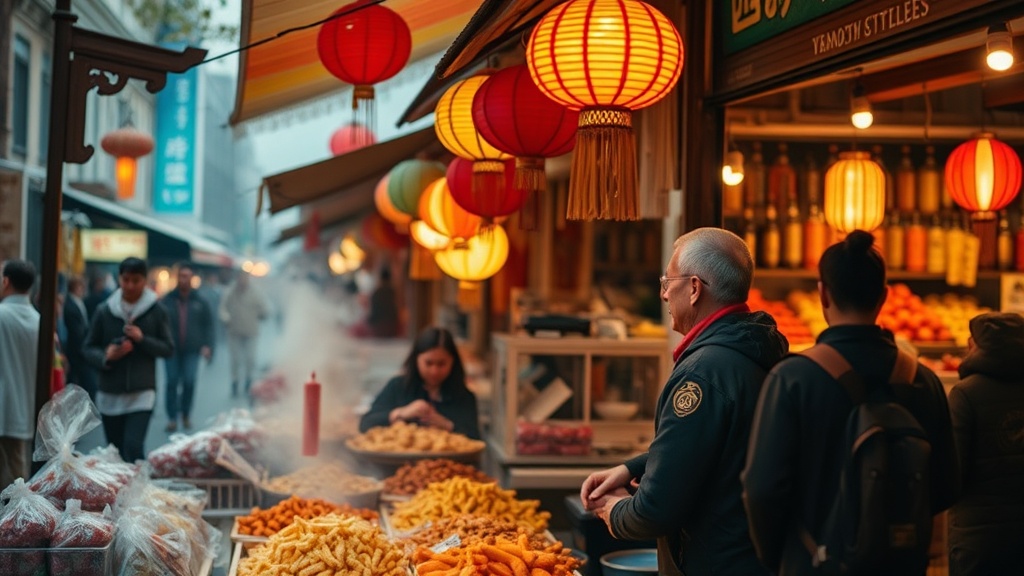
4 Ancient Street Food Markets You Can Visit This Fall

The Night Markets of Taipei
Marrakesh Spice and Street Food Hubs
Istanbul's Historic Spice Bazaar
Mexico City's Traditional Zocalo Bites
Are you looking to swap the standard tourist restaurant experience for something with a bit more soul this autumn? This guide explores four ancient street food markets that offer authentic flavors and historical depth, perfect for a fall getaway. We'll look at what makes each location unique, what you should eat, and how to prepare for the seasonal crowds.
Why Visit Ancient Street Food Markets in the Fall?
Fall is a transition period where the air gets crisp, but the food scene stays vibrant. While summer travelers flock to beaches, the savvy traveler heads to historic market hubs. These markets offer a sensory experience you won't find in a sterile shopping mall. You get the heat from a charcoal grill, the smell of spices, and the energy of a crowd—all while the weather is still mild enough to wander without a heavy parka.
Eating at a street stall isn't just about a quick bite. It's about witnessing a culinary tradition that hasn't changed in centuries. You're eating the same recipes that people were eating hundreds of years ago. That connection to the past is what makes these trips worth the flight.
Where is the Best Place to Eat Street Food in Istanbul?
The Eminönü district and the surrounding areas around the Grand Bazaar are the best places to experience legendary street food in Istanbul. If you want the quintessential Istanbul experience, you need to head toward the Galata Bridge or the spice markets. The city is a massive crossroads of history, and the food reflects that perfectly.
You can't leave without trying a Balık Ekmek (fish sandwich) right off a boat near the Golden Horn. It's simple, salty, and incredibly satisfying. For something more substantial, look for the vendors selling Simit—those circular, sesame-crusted bread rings that are ubiquitous throughout the city. It's the perfect snack for walking around the historical peninsula.
One thing to keep in mind: Istanbul can be chaotic. The crowds near the Hagia Sophia can get intense during the afternoon. If you're a photographer, you might want to check out my tips on capturing stunning travel moments without a dedicated camera to ensure you get those perfect shots of the steam rising from the grills without being bumped by a passerby.
Top Must-Try Items in Istanbul
- Döner Kebab: Look for the rotating spits of meat; the real deal is shaved thin and served in pita.
- Roasted Chestnuts (Kestane Kebap): These are a fall staple. The vendors roast them over open coals, making them a warm, sweet treat for chilly evenings.
- Turkish Delight: While not "street food" in the greasy sense, the small kiosks selling fresh, rose-scented delights are a must-visit.
What is the Best Time to Visit Kyoto's Nishiki Market?
The best time to visit Nishiki Market is during the early morning or late afternoon to avoid the heaviest crowds and the midday heat. Known as "Kyoto's Kitchen," this narrow, five-block long shopping street has been a staple of the city for centuries. In the fall, the surrounding scenery in Kyoto turns brilliant shades of red and orange, making the market an even more enticing stop after a day of temple hopping.
The market is a narrow corridor, so it can feel a bit tight. Don't expect to wander aimlessly for hours—you're there to eat. The smells here are incredible. You'll catch the scent of toasted seaweed, pickled vegetables, and fresh seafood. It's a highly organized way to experience Japanese food culture in a concentrated space.
One rule to remember: many vendors in Nishiki Market prefer that you don't walk while eating. It's polite to stand near the stall where you purchased your food to finish it. This keeps the narrow walkway clear for other shoppers. It's a small detail, but it shows respect for the local culture.
| Food Item | Flavor Profile | Why Try It? |
|---|---|---|
| Takotamago | Savory & Sweet | A tiny octopus with a quail egg inside—it's a visual and culinary icon. |
| Yuba | Creamy & Subtle | Soy milk skin that is a delicacy in Kyoto. |
| Matcha Sweets | Bitter & Earthy | Perfect for pairing with the crisp autumn air. |
How Much Does a Food Tour Cost in Marrakech?
A typical food tour in the Marrakech Medina usually costs between $30 and $70 USD per person, depending on whether you choose a walking tour or a seated dining experience. The Jemaa el-Fnaa square is the heart of the action. As the sun sets, the square transforms from a wide-open space into a massive, steaming outdoor kitchen. This is where the real magic happens.
The prices for individual items are quite low. You can grab a bowl of Harira soup or a plate of grilled meats for just a few dollars. However, I'd suggest setting aside a bit more for high-quality spices or textiles if you're exploring the souks nearby. The energy here is unmatched—it's loud, it's bright, and it's slightly overwhelming in the best possible way.
If you're planning a trip to Morocco, it's worth checking the official tourism website for Morocco to ensure you have the latest information on local customs and seasonal events. It's a great way to ensure your trip goes smoothly.
The way the smoke rises from the grills at night creates a sort of hazy, cinematic atmosphere. It's a photographer's dream, but also a bit of a challenge. Be prepared for the sensory overload. The combination of heavy spices, shouting vendors, and the scent of grilled lamb is something you'll never forget.
What Should I Eat at Bangkok's Or Tor Kor Market?
You should focus on seasonal fruits and high-end street snacks when visiting Or Tor Kor Market. While many tourists stick to the more chaotic street markets, Or Tor Kor is a bit more refined and is often cited as one of the best fresh food markets in the world. It's a great place to see the high quality of Thai produce.
Since you're visiting in the fall, look for the seasonal mangoes and durian. Even if you're intimidated by the smell of durian, seeing it in its natural-born habitat is a rite of passage. The market is much cleaner and more organized than the street stalls near Khao San Road, making it a more comfortable environment if you're a traveler who prefers a bit more structure.
Here is a quick breakdown of what to look for:
- Fresh Tropical Fruit: The selection of mangoes and dragon fruit is unparalleled.
- Ready-to-Eat Thai Curries: Grab a container of green curry or Pad Thai to eat on the go.
- Traditional Desserts: Look for coconut-based sweets that are light and refreshing.
The beauty of Or Tor Kor is the ability to see the ingredients in their purest form. You aren't just buying a meal; you're seeing the incredible agricultural output of Thailand. It's a much more grounded experience than sitting in a polished restaurant in a skyscraper. It's real, it's raw, and it's delicious.
One tip for your trip: bring plenty of small denominations of local currency. While some larger vendors might accept cards, the soul of these markets lies in the cash transactions. It makes the process faster and keeps you from feeling awkward at the stall.
The weather in Bangkok during the fall can still be quite humid, so keep a bottle of water handy. Even though the market is covered, the heat from the cooking stations can still make things feel a bit tropical. It's a small thing, but you'll be glad you have it when you're halfway through a spicy noodle dish.